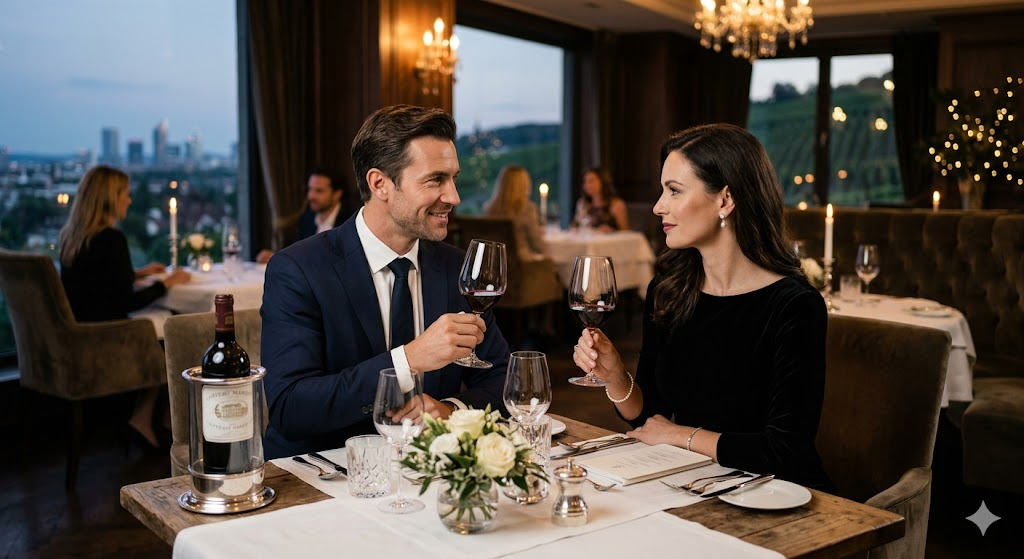
Wine etiquette isn’t about being rigid or overly formal—it’s about understanding a few simple principles that help you enjoy wine gracefully in any setting. Whether you’re attending a formal dinner, going on a date, or simply hosting guests at home, knowing proper wine etiquette can elevate your experience and leave a lasting impression.
This comprehensive guide covers everything from ordering wine and holding your glass to tasting, pairing, and avoiding common mistakes.
What Is Wine Etiquette?
Wine etiquette refers to the accepted practices and behaviors associated with serving, tasting, and enjoying wine. These guidelines are rooted in tradition but are ultimately designed to enhance the overall experience—for both you and those around you.
The goal is simple: drink wine with awareness, respect, and enjoyment.
Why Wine Etiquette Matters
Understanding wine etiquette helps you:
- Feel confident in social and professional settings
- Show respect for the host, sommelier, and fellow guests
- Enhance your wine tasting experience
- Avoid awkward or embarrassing mistakes
You don’t need to be an expert—just being mindful of the basics goes a long way.
Choosing and Ordering Wine
At a Restaurant
If you’re dining out, here’s how to handle wine ordering:
- If you invited someone, you typically choose the wine
- Ask the sommelier or server for recommendations if unsure
- Consider the meal when selecting wine
- Don’t feel pressured to choose the most expensive option
Tasting Before Serving
At restaurants, you may be offered a small taste before the wine is poured for everyone.
This is not to check if you like the wine—it’s to ensure it hasn’t gone bad (corked or spoiled). A simple nod or “It’s good” is enough if everything is fine.
How to Hold a Wine Glass Properly
Always hold the glass by the stem.
Why This Matters
- Prevents warming the wine with your hand
- Keeps the glass free of fingerprints
- Maintains elegance and presentation
Holding the bowl is considered improper, especially in formal settings.
Pouring Wine the Right Way
Proper pouring shows awareness and control:
- Fill the glass only one-third full
- Pour slowly to avoid splashing
- Twist the bottle slightly at the end to prevent dripping
If you’re serving others, pour for guests first and yourself last.
Serving Wine at the Correct Temperature
Temperature affects how wine tastes:
- Red wine: slightly cool (not room temperature)
- White wine: chilled
- Sparkling wine: well chilled
Serving wine too warm or too cold can dull its flavors or exaggerate alcohol.
The Proper Way to Taste Wine
Wine tasting follows a simple but refined process:
1. Observe
Look at the wine’s color and clarity.
2. Swirl
Gently swirl the glass to release aromas.
3. Smell
Take a moment to inhale the aroma.
4. Sip
Take a small sip and let it coat your mouth.
5. Savor
Notice the aftertaste and how long the flavors last.
This process enhances appreciation and shows good etiquette in tasting settings.
How to Drink Wine at the Table
When drinking wine during a meal:
- Take small, slow sips
- Don’t gulp or rush
- Keep pace with others at the table
- Avoid drinking before everyone is served
Wine is meant to complement the meal, not dominate it.
Wine and Food Pairing Etiquette
Pairing wine properly enhances both the dish and the drink.
Basic Pairing Guidelines
- Red wine with red meats
- White wine with seafood or poultry
- Rosé with light dishes
- Sparkling wine with salty or fried foods
Balance Matters
Match the weight of the wine with the weight of the food. Light dishes go with light wines, and heavy dishes pair with bold wines.
Toasting Etiquette
Toasting is a common part of wine culture.
How to Toast Properly
- Make eye contact when clinking glasses
- Lightly tap glasses—don’t hit too hard
- Take a sip after the toast
Avoid reaching across the table awkwardly—raise your glass instead.
Handling Wine in Social Settings
At Formal Events
- Wait for the host to start drinking
- Follow the lead of others if unsure
- Keep your glass in your right hand
At Casual Gatherings
- Relax, but still follow basic etiquette
- Don’t overfill your glass
- Offer to refill others before yourself
Common Wine Etiquette Mistakes to Avoid
Even small mistakes can stand out in formal settings. Avoid these:
- Holding the glass by the bowl
- Overfilling your glass
- Smelling the cork dramatically
- Gulping wine quickly
- Talking with a full mouth
- Ignoring the host’s lead
Wine Bottle Etiquette
Opening the Bottle
- Cut the foil below the lip
- Remove the cork gently
- Avoid loud popping sounds (except sparkling wine in celebrations)
Serving Order
- Serve guests first
- Women and elders are typically served first in formal settings
- Host is served last
Wine Storage Etiquette
Proper storage shows respect for the wine:
- Keep bottles in a cool, dark place
- Store horizontally if sealed with cork
- Avoid exposure to heat and sunlight
After Opening
- Reseal the bottle
- Refrigerate white wine
- Consume within a few days
Restaurant Wine Etiquette Tips
When dining out:
- Don’t send wine back unless it’s faulty
- Trust the sommelier’s expertise
- Avoid excessive criticism of the wine
- Be polite and respectful to staff
Hosting Wine at Home
If you’re hosting guests:
- Offer a selection of wines
- Serve wine at the right temperature
- Provide proper glassware
- Pair wine with the menu
Hosting Tip
Always open wine before guests arrive to avoid delays.
Wine Etiquette for Beginners
If you’re new to wine:
- Start with wines you enjoy
- Don’t worry about knowing everything
- Observe others and learn
- Ask questions when appropriate
Confidence grows with experience.
Cultural Differences in Wine Etiquette
Wine customs vary across regions:
- In France, wine is an essential part of meals
- In Italy, wine is often shared and enjoyed slowly
- In the US, wine culture is more flexible and modern
Understanding cultural context can help you adapt in different settings.
Health and Moderation
Wine should always be consumed responsibly:
- Stick to moderate amounts
- Drink water alongside wine
- Never feel pressured to drink more than you’re comfortable with
Etiquette includes knowing your limits.
Final Thoughts
Wine etiquette is not about perfection—it’s about awareness, respect, and enjoyment. By following a few simple guidelines, you can confidently navigate any wine-related situation, from casual dinners to formal events.
The more you practice, the more natural it becomes. Over time, you’ll not only improve your etiquette but also develop a deeper appreciation for wine itself.
So pour a glass, take your time, and enjoy the experience—because the best part of wine is the moment it creates.