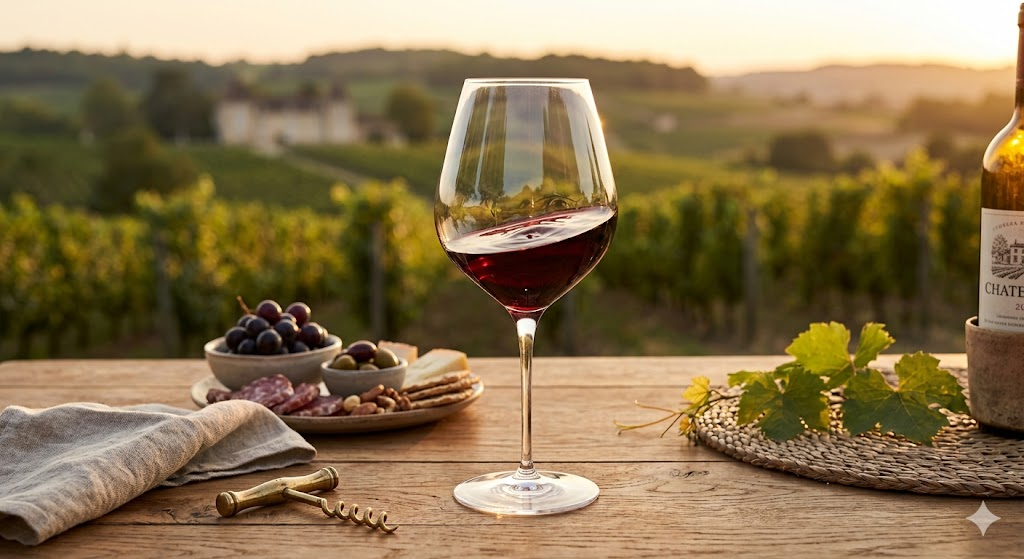
Wine is more than just a beverage—it’s an experience that blends culture, craftsmanship, aroma, and flavor into a single glass. Knowing how to drink wine the right way can elevate your enjoyment, help you understand different varieties, and even improve your social dining experiences. Whether you are new to wine or looking to refine your habits, this detailed guide will walk you through everything you need to know.
Introduction to Wine Drinking
Drinking wine properly doesn’t mean following strict rules or acting sophisticated. Instead, it’s about understanding how to bring out the best flavors and aromas from each glass. From choosing the right wine and glassware to tasting techniques and food pairing, every step contributes to the overall experience.
Understanding Different Types of Wine
Before learning how to drink wine, it’s important to understand the main types:
Red Wine
Made from dark-colored grape varieties, red wine is known for its bold flavors and tannins. Popular varieties include Cabernet Sauvignon, Merlot, and Pinot Noir.
White Wine
White wine is lighter and more refreshing, often with citrus or floral notes. Common types include Chardonnay, Sauvignon Blanc, and Riesling.
Rosé Wine
Rosé is made from red grapes but has limited skin contact, giving it a pink color and a balanced flavor profile.
Sparkling Wine
Sparkling wines like champagne contain carbon dioxide, giving them bubbles and a festive appeal.
Dessert Wine
These are sweet wines typically served after meals, such as Port or Moscato.
Choosing the Right Wine
Selecting the right wine depends on personal preference and occasion:
- For beginners: Choose light, fruity wines with low tannins
- For dinner: Pair wine with your meal (explained later)
- For celebrations: Sparkling wine is a popular choice
Don’t be afraid to experiment—wine tasting is a personal journey.
Selecting the Proper Glassware
The glass you use can influence how wine tastes and smells.
Red Wine Glasses
These have larger bowls, allowing the wine to interact with air, enhancing aroma and flavor.
White Wine Glasses
Smaller bowls help maintain cooler temperatures and preserve delicate aromas.
Sparkling Wine Glasses
Flutes are tall and narrow, helping retain carbonation.
Serving Wine at the Right Temperature
Serving temperature greatly affects the taste:
- Red wine: 12–18°C (slightly cool)
- White wine: 7–12°C (chilled)
- Sparkling wine: 5–8°C (well chilled)
Avoid extremes—too cold dulls flavor, too warm increases alcohol intensity.
How to Open a Wine Bottle
Opening a bottle correctly ensures the wine remains intact:
- Remove the foil below the lip of the bottle
- Insert the corkscrew into the center of the cork
- Pull the cork out slowly and steadily
- Avoid shaking the bottle (especially for sparkling wine)
Pouring Wine Properly
Pouring may seem simple, but there’s a right way:
- Fill only one-third of the glass
- This allows space for swirling and aroma development
- Hold the bottle by its base and pour gently
How to Hold a Wine Glass
Always hold the glass by the stem, not the bowl.
Why this matters:
- Prevents warming the wine
- Keeps the glass clean
- Maintains presentation
Letting Wine Breathe
Many wines, especially reds, benefit from exposure to air.
Swirling the Wine
Gently swirl your glass to introduce oxygen, which releases aromas.
Decanting
For older or bold wines, use a decanter to enhance flavor and remove sediment.
The Five Steps of Wine Tasting
Professional wine tasting involves five simple steps:
1. Look
Observe the color and clarity of the wine.
- Red wines range from deep purple to brick red
- White wines range from pale yellow to golden
2. Swirl
Swirl the wine to release its aromas.
3. Smell
Take a deep sniff to identify scents like fruit, spice, or oak.
4. Sip
Take a small sip and let it coat your mouth.
5. Savor
Notice the aftertaste and how long the flavor lingers.
Understanding Wine Flavors
Wine flavors can be categorized as:
- Fruity: Berry, citrus, tropical
- Floral: Rose, jasmine
- Earthy: Mushroom, soil
- Spicy: Pepper, cinnamon
- Woody: Oak, vanilla
Learning these helps you appreciate wine more deeply.
Pairing Wine with Food
Food pairing enhances both the wine and the dish.
Basic Pairing Rules
- Red wine with red meat
- White wine with fish and chicken
- Rosé with light dishes
- Sparkling wine with salty or fried foods
Balance is Key
Match the intensity of the wine with the intensity of the food.
Common Wine Drinking Mistakes
Avoid these common errors:
- Drinking wine too cold or too warm
- Overfilling the glass
- Skipping the smell step
- Holding the glass incorrectly
- Drinking too quickly
How Much Wine to Drink
Moderation is essential:
- Standard serving: 150 ml
- Recommended limit: 1–2 glasses per day
Drinking slowly allows you to enjoy the experience fully.
Storing Wine Properly
Proper storage maintains quality:
- Keep bottles in a cool, dark place
- Store horizontally (for corked bottles)
- Avoid temperature fluctuations
After Opening
- Red wine: 2–3 days
- White wine: 3–5 days (refrigerated)
Developing Your Wine Taste
Improving your palate takes time:
- Try different wines regularly
- Attend tastings
- Take notes on flavors and preferences
- Compare wines side by side
The more you explore, the better you understand your preferences.
Wine Etiquette Tips
Understanding etiquette can boost confidence:
- Don’t fill your glass to the top
- Wait for everyone to be served before drinking
- Hold the glass properly
- Sip slowly and enjoy
Health Benefits of Wine (In Moderation)
Wine, especially red wine, may offer some benefits:
- Contains antioxidants
- May support heart health
- Can improve relaxation
However, excessive consumption negates these benefits.
Wine Culture Around the World
Wine traditions vary globally:
- France: Known for refined wine culture
- Italy: Focus on pairing wine with meals
- Spain: Famous for bold reds
- USA: Innovative wine production
Exploring different regions adds depth to your wine knowledge.
Tips for Beginners
If you’re just starting out:
- Begin with lighter wines
- Don’t worry about being perfect
- Trust your taste preferences
- Ask for recommendations
Wine is meant to be enjoyable, not intimidating.
Conclusion
Learning how to drink wine the right way is about enhancing your senses and enjoying every moment. From choosing the right bottle and glass to mastering tasting techniques and food pairing, each step contributes to a richer experience.
There’s no single “correct” way—only what works best for you. Explore different wines, refine your palate, and most importantly, enjoy the journey.