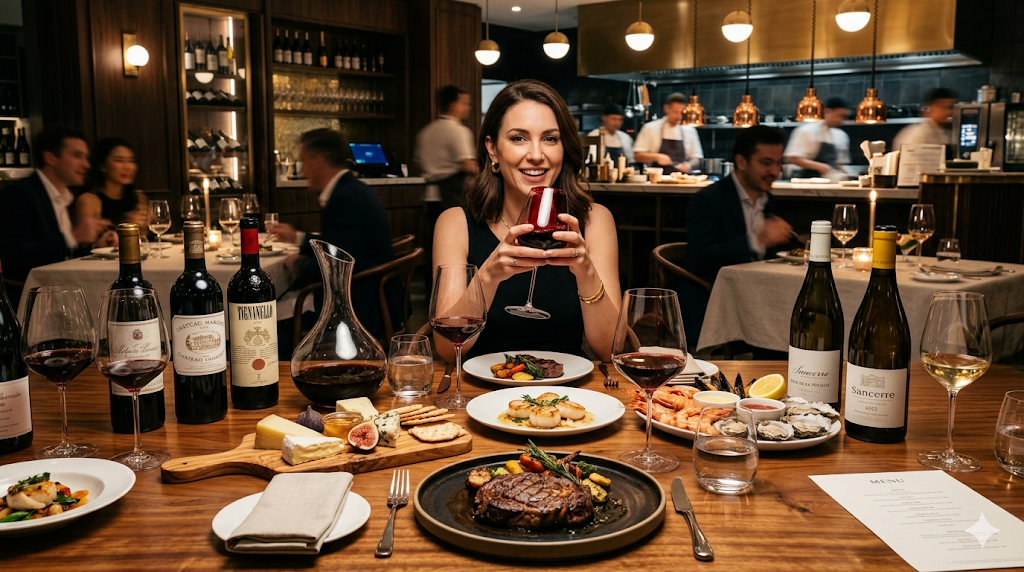
Wine has become more popular than ever in 2026. From luxury vineyard vacations and wine subscription services to TikTok wine trends and home wine tastings, millions of people around the world are exploring wine culture. However, despite wine’s growing popularity, many people still make simple mistakes that can negatively affect the taste, quality, and overall experience.
The good news is that enjoying wine does not require expert-level knowledge or expensive bottles. In fact, many common wine mistakes are easy to avoid once you understand a few basic principles. Whether you are a beginner learning about wine for the first time or someone who regularly enjoys a glass at dinner, improving your wine habits can make a huge difference.
In this guide, we will explore the 10 biggest wine mistakes most people make in 2026 and explain how to avoid them like a pro.
Why Wine Knowledge Matters More in 2026
Wine culture has evolved significantly over the past few years. Modern consumers are now more interested in:
- Wine tourism
- Organic and sustainable wines
- Food pairings
- Home wine collections
- Wine tasting experiences
- Luxury dining
At the same time, social media has created countless wine “tips” that are not always accurate. Many people unknowingly follow bad advice that affects how wine tastes and how it should be served.
Understanding basic wine etiquette and storage techniques can help you:
- Enjoy wine more confidently
- Save money
- Improve food pairings
- Avoid ruining expensive bottles
- Create a better dining experience
Let’s explore the most common wine mistakes people continue to make in 2026.
1. Serving Wine at the Wrong Temperature
One of the biggest mistakes people make is serving wine either too cold or too warm.
Temperature dramatically affects how wine tastes, smells, and feels on the palate. Unfortunately, many people assume all wine should be served straight from the refrigerator or at room temperature.
Why Temperature Matters
Serving wine too cold can:
- Mute flavors
- Reduce aromas
- Make wine taste flat
Serving wine too warm can:
- Increase alcohol intensity
- Make wine taste overly sweet
- Destroy balance and freshness
Ideal Wine Temperatures
Red Wine
Best served slightly cool, around:
- 55°F to 65°F (13°C to 18°C)
White Wine
Best served chilled, around:
- 45°F to 55°F (7°C to 13°C)
Sparkling Wine
Best served colder, around:
- 40°F to 50°F (4°C to 10°C)
Pro Tip
If your red wine feels too warm, place it in the refrigerator for 15–20 minutes before serving.
2. Using the Wrong Wine Glass
Many people underestimate how much glassware affects wine.
Different wine glasses are designed to:
- Enhance aromas
- Direct wine to certain parts of the palate
- Improve tasting experience
Using small or poorly shaped glasses can limit the wine’s full character.
Common Mistakes
People often:
- Use one glass for every wine
- Fill glasses too high
- Use thick glasses that trap aromas
Why Glass Shape Matters
Red Wine Glasses
Larger bowls allow oxygen exposure and improve aroma development.
White Wine Glasses
Smaller bowls preserve freshness and cooler temperatures.
Sparkling Wine Glasses
Flutes help preserve carbonation.
Do You Need Expensive Glasses?
No. You simply need clean, properly shaped glasses with enough space for swirling.
3. Storing Wine Incorrectly
Improper storage is one of the fastest ways to ruin wine.
Many people store wine:
- In kitchens
- Near sunlight
- In hot rooms
- Upright for long periods
These conditions can damage wine quality quickly.
What Happens to Poorly Stored Wine
Heat and sunlight can:
- Oxidize wine
- Fade flavors
- Dry out corks
- Cause spoilage
Best Wine Storage Practices
Wine should be stored:
- In cool temperatures
- Away from direct sunlight
- In stable humidity
- Horizontally if cork-sealed
Ideal Wine Storage Temperature
The ideal range is:
- 50°F to 59°F (10°C to 15°C)
Even affordable wines taste better when stored correctly.
4. Pairing Wine With the Wrong Foods
Food and wine pairing can completely change your dining experience.
Many people choose wine based only on preference without considering how it interacts with food.
Common Pairing Mistakes
Examples include:
- Heavy red wine with delicate seafood
- Sweet wine with bitter dishes
- Acidic wine with spicy foods
Poor pairings can make:
- Food taste strange
- Wine taste bitter
- Flavors clash
Simple Pairing Rules
Red Wine Pairs Well With:
- Steak
- Lamb
- Pasta with tomato sauce
- Rich dishes
White Wine Pairs Well With:
- Seafood
- Chicken
- Creamy pasta
- Salads
Sparkling Wine Pairs Well With:
- Fried foods
- Cheese
- Appetizers
Modern Pairing Trends in 2026
People are increasingly experimenting with:
- Asian cuisine and wine
- Spicy food pairings
- Dessert wine combinations
- Vegan wine pairings
5. Believing Expensive Wine Is Always Better
One of the most common wine myths is that higher price automatically means better quality.
In reality, many affordable wines taste excellent.
Why Wine Prices Vary
Wine prices depend on:
- Branding
- Vineyard reputation
- Rarity
- Region
- Production costs
Some expensive wines are truly exceptional, but many affordable wines offer incredible value.
Beginner Mistake
New wine drinkers often buy expensive bottles to appear sophisticated instead of exploring wines they genuinely enjoy.
Best Approach
Focus on:
- Taste preferences
- Wine styles
- Food pairings
- Trusted recommendations
Wine enjoyment is personal, not competitive.
6. Not Letting Wine Breathe
Many wines improve when exposed to oxygen before drinking.
However, most people either:
- Drink wine immediately after opening
- Leave it exposed too long
Why Breathing Matters
Oxygen helps:
- Release aromas
- Soften tannins
- Improve flavor complexity
This is especially important for:
- Young red wines
- Bold wines
- Full-bodied wines
How Long Should Wine Breathe?
Light Red Wines
15–20 minutes
Full-Bodied Reds
30–60 minutes
Older Wines
Minimal exposure to avoid spoilage
Decanters in 2026
Modern wine lovers increasingly use stylish decanters not only for functionality but also for presentation during dinners and gatherings.
7. Holding Wine Glasses Incorrectly
Holding a wine glass by the bowl is a surprisingly common mistake.
Why It Matters
Holding the bowl:
- Warms the wine
- Leaves fingerprints
- Affects temperature balance
Correct Way
Always hold wine glasses by:
- The stem
- The base
This helps maintain the proper serving temperature and improves presentation.
Social Importance
In wine tastings and fine dining, proper glass handling also reflects wine etiquette and experience.
8. Ignoring Wine Labels
Many people buy wine without understanding what labels actually mean.
Wine labels provide important information about:
- Region
- Grape variety
- Alcohol level
- Vintage
- Style
Common Label Mistakes
People often:
- Choose bottles based only on packaging
- Ignore alcohol percentages
- Misunderstand sweetness levels
Important Things to Check
Vintage Year
Indicates the year grapes were harvested.
Region
Wine regions influence flavor significantly.
Alcohol Percentage
Higher alcohol often means fuller-bodied wine.
Grape Variety
Helps predict taste profile.
Modern Wine Buying Trends
In 2026, consumers increasingly look for:
- Organic wines
- Sustainable wineries
- Vegan-certified wines
- Low-sugar options
9. Drinking Wine Too Quickly
Wine is meant to be experienced slowly.
Many people drink wine like regular beverages without appreciating:
- Aroma
- Texture
- Flavor evolution
Wine Tasting Is About Experience
Proper tasting involves:
- Looking at the color
- Smelling the aromas
- Taking small sips
- Identifying flavors
Why Slow Drinking Matters
Drinking slowly helps you:
- Notice flavor details
- Appreciate pairings
- Avoid overconsumption
- Improve tasting skills
Wine culture in 2026 increasingly focuses on mindful experiences rather than fast consumption.
10. Feeling Intimidated by Wine Culture
Perhaps the biggest mistake people make is believing wine is only for experts.
Many beginners avoid trying wine because they feel:
- Confused by terminology
- Intimidated by sommeliers
- Embarrassed about asking questions
The Truth About Wine
Wine should be:
- Fun
- Social
- Personal
- Enjoyable
There is no “perfect” wine preference.
Modern Wine Culture Is Changing
Younger wine drinkers in 2026 are helping make wine culture:
- More relaxed
- Less formal
- More accessible
- Beginner-friendly
Social media, wine apps, and online wine communities now make learning easier than ever.
Bonus Wine Mistakes to Avoid in 2026
Following Viral Wine Trends Blindly
TikTok and Instagram wine hacks are everywhere, but not all trends improve wine quality.
Mixing Strong Fragrances With Wine Tasting
Perfumes and scented candles can interfere with aroma detection.
Keeping Open Wine Too Long
Most wines begin losing freshness after:
- 2–5 days once opened
Forgetting About Sparkling Wine Pressure
Improperly opening sparkling wine can:
- Cause spills
- Lose carbonation
- Create safety risks
Wine Trends Influencing Drinking Habits in 2026
Modern wine culture continues evolving rapidly.
Sustainable Wine Production
Consumers increasingly support:
- Organic vineyards
- Eco-friendly wineries
- Biodynamic wines
Non-Alcoholic Wine Growth
Alcohol-free wines are becoming mainstream for health-conscious consumers.
Wine Tourism Boom
Wine travel experiences are growing globally, especially in:
- Texas
- California
- Italy
- France
- Australia
Smart Wine Technology
Luxury wine enthusiasts now use:
- Smart wine cellars
- AI wine recommendation apps
- Digital tasting guides
How Beginners Can Improve Their Wine Experience
If you are new to wine, focus on simple improvements rather than memorizing complicated rules.
Start With These Tips
Explore Different Styles
Try:
- Red wines
- White wines
- Rosé
- Sparkling wines
Attend Wine Tastings
Wine tastings help build confidence and identify preferences.
Learn Basic Pairings
Simple food pairings dramatically improve enjoyment.
Keep Notes
Tracking wines you enjoy helps refine your taste over time.
Why Wine Education Is Becoming Popular
Wine education has exploded online because people now view wine as:
- A lifestyle experience
- A travel activity
- A luxury hobby
- A social interest
Modern consumers want to understand:
- Where wine comes from
- How it is made
- Which foods pair best
- How to identify quality
This growing curiosity is shaping global wine culture in 2026.
Conclusion
Wine should never feel complicated or intimidating. Most wine mistakes people make in 2026 are simple habits that can easily be improved with basic knowledge and awareness.
From serving wine at the correct temperature to understanding food pairings and proper storage, small changes can completely transform your wine experience. The goal is not to become a sommelier overnight but to enjoy wine more confidently and comfortably.
As wine culture continues evolving through social media, wine tourism, and modern dining trends, consumers are becoming more curious and adventurous than ever before. By avoiding these common mistakes, you can better appreciate wine, discover new favorites, and elevate every meal, celebration, or relaxing evening with the perfect glass.