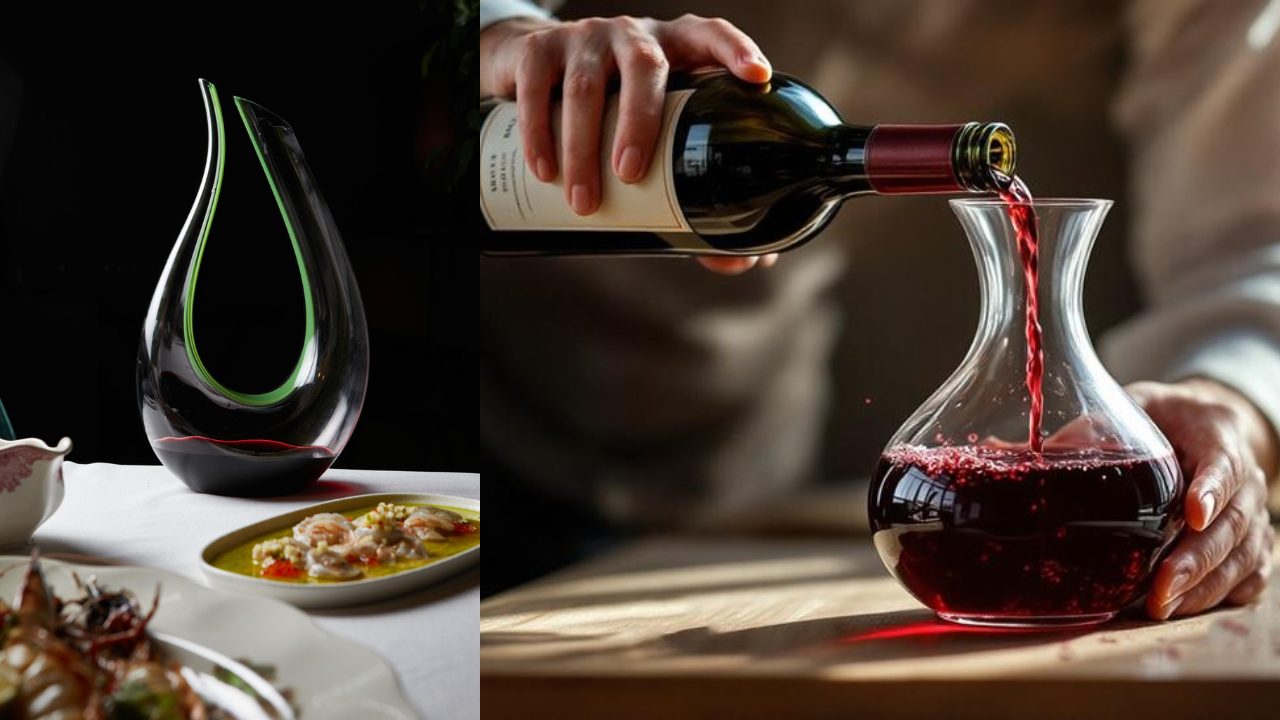
Wine is more than just a drink — it is an experience shaped by aroma, temperature, oxygen, texture, and time. One of the most elegant and misunderstood parts of wine culture is decanting. Many people think decanting is only for expensive vintage reds served in crystal bottles at luxury dinners. In reality, decanting can dramatically improve the taste of many everyday wines and make your wine-drinking experience smoother, richer, and more enjoyable.
Whether you are opening a bold Cabernet Sauvignon for a steak dinner, a young Syrah for a backyard BBQ, or an aged Bordeaux for a celebration, learning how to decant wine properly can unlock hidden aromas and soften harsh flavors.
What Is Wine Decanting?
Decanting is the process of pouring wine from its original bottle into another container before serving. This is usually done for two main reasons:
- To expose the wine to oxygen
- To separate sediment from older wines
The container used is called a decanter, but you do not necessarily need one to decant wine successfully.
Why Do People Decant Wine?
Many wines change dramatically after exposure to air. Some wines taste “closed” immediately after opening, meaning their aromas and flavors are muted or tight. Oxygen helps these wines open up.
Decanting can:
- Soften tannins
- Release aromas
- Improve texture
- Reduce harsh alcohol notes
- Enhance fruit flavors
- Remove unpleasant sulfur smells
- Separate sediment in older bottles
Think of decanting as waking the wine up after being trapped inside a bottle for months or years.
The Science Behind Decanting Wine
Wine chemistry changes when oxygen interacts with compounds inside the bottle.
1. Oxygen Softens Tannins
Tannins are natural compounds found in grape skins, seeds, and oak barrels. They create dryness and bitterness in wine.
When wine is exposed to oxygen:
- Tannins begin to polymerize
- Harsh edges soften
- Texture becomes smoother
This is why bold red wines often taste less aggressive after decanting.
2. Aromas Become More Expressive
Wine contains volatile aroma compounds that remain trapped in a sealed bottle.
Decanting allows these aromas to escape and develop, revealing notes such as:
- Blackberry
- Vanilla
- Cedar
- Chocolate
- Leather
- Floral tones
- Spice
Without oxygen, many of these scents remain hidden.
3. Sulfur Compounds Dissipate
Some wines, especially young or tightly sealed bottles, may smell like:
- Matchsticks
- Rubber
- Eggs
- Smoke
These sulfur compounds usually disappear after exposure to air.
Which Wines Should Be Decanted?
Not every wine benefits equally from decanting. Here are the wines that improve most.
Red Wines That Benefit Most from Decanting
1. Cabernet Sauvignon
Cabernet Sauvignon is one of the most commonly decanted wines because it contains strong tannins and concentrated flavors.
Recommended Decanting Time:
- Young Cabernet: 1–3 hours
- Aged Cabernet: 30–60 minutes
Flavor Changes:
- Softer tannins
- More black fruit aromas
- Better balance
2. Syrah / Shiraz
Syrah often opens beautifully with oxygen.
Recommended Decanting Time:
- 45 minutes to 2 hours
Improves:
- Pepper notes
- Dark fruit flavors
- Smoky complexity
3. Nebbiolo
Wines like Barolo and Barbaresco are famous for intense tannins.
Recommended Decanting Time:
- 2–4 hours
These wines can seem harsh without enough air.
4. Bordeaux Blends
Many Bordeaux wines contain Cabernet Sauvignon and Merlot, making them ideal candidates for decanting.
Recommended Time:
- Young Bordeaux: 1–2 hours
- Mature Bordeaux: 30 minutes
5. Malbec
Malbec becomes smoother and fruitier after exposure to oxygen.
Recommended Time:
- 30–60 minutes
White Wines That Can Be Decanted
Many people are surprised to learn that some white wines improve after decanting.
White Wines That Benefit:
- Chardonnay
- White Burgundy
- Orange wines
- Oaked whites
- Natural wines
Recommended Time:
- 15–45 minutes
Decanting can enhance texture and reduce reduction aromas.
Wines That Usually Should NOT Be Decanted
Some wines are delicate and can lose freshness quickly.
Avoid Long Decanting for:
- Light Pinot Noir
- Old fragile wines
- Sparkling wine
- Champagne
- Delicate rosé
- Crisp Sauvignon Blanc
Too much oxygen may flatten these wines.
How Long Should You Decant Wine?
Here is a simple reference guide.
| Wine Type | Decanting Time |
|---|---|
| Young Cabernet Sauvignon | 1–3 hours |
| Young Syrah | 45–120 minutes |
| Malbec | 30–60 minutes |
| Bordeaux | 1–2 hours |
| Nebbiolo | 2–4 hours |
| Pinot Noir | 15–30 minutes |
| Chardonnay | 15–30 minutes |
| Old Vintage Red | 15–30 minutes |
| Sparkling Wine | Usually avoid |
Signs a Wine Needs Decanting
A wine may benefit from decanting if it tastes:
- Bitter
- Too alcoholic
- Tight or closed
- Sharp
- Overly tannic
- Funky or sulfur-like
If aromas feel muted, oxygen can help reveal complexity.
How to Decant Wine Properly
Step 1: Stand the Bottle Upright
For older wines, stand the bottle upright for several hours before opening.
This helps sediment settle at the bottom.
Step 2: Open the Bottle Carefully
Use a quality corkscrew and remove the cork slowly to avoid disturbing sediment.
Smell the cork and wine for any faults.
Step 3: Pour Slowly into the Decanter
Pour gently and steadily.
For older wines:
- Use a light or candle beneath the bottle neck
- Stop pouring once sediment appears
Step 4: Let the Wine Breathe
Allow the wine to rest according to the recommended timing.
Swirl occasionally if desired.
Step 5: Serve Elegantly
Serve in clean glasses with enough room for swirling.
Aroma is a major part of tasting wine properly.
How to Decant Wine Without a Decanter
You do not need expensive equipment to enjoy properly aerated wine.
Alternative Methods
1. Use a Glass Pitcher
A clean pitcher works perfectly.
2. Use a Mason Jar
Wide-mouth jars increase oxygen exposure effectively.
3. Double Pour Method
Pour wine into another container and then back into the bottle.
This method is popular for quick aeration.
4. Swirl Aggressively in the Glass
While less effective, swirling introduces oxygen quickly.
Instant Wine Aerators vs Traditional Decanting
Wine aerators force oxygen into wine instantly.
Pros:
- Fast
- Convenient
- Great for casual drinking
Cons:
- Less nuanced
- Not ideal for delicate aged wines
Traditional decanting remains preferred for premium wines.
Decanting Older Wines
Older wines require extra care.
Aged wines are delicate and can deteriorate quickly with too much oxygen.
Best Practices:
- Decant gently
- Shorter exposure time
- Serve soon after opening
The goal is sediment removal rather than aggressive aeration.
Can You Decant Cheap Wine?
Absolutely.
Many affordable young red wines improve significantly after 20–30 minutes of air exposure.
Budget wines often taste smoother and fruitier after decanting.
Common Wine Decanting Mistakes
1. Over-Decanting Delicate Wines
Too much oxygen can flatten flavor.
2. Using Dirty Decanters
Residue or soap smells ruin aroma.
Always rinse thoroughly.
3. Decanting Too Early
Wine may peak before guests arrive.
Timing matters.
4. Ignoring Temperature
Decanting does not fix wine served too warm or too cold.
Ideal Serving Temperatures:
- Bold reds: 60–68°F
- Light reds: 55–60°F
- Whites: 45–55°F
Beautiful Ways to Serve Decanted Wine at Home
Romantic Dinner Setup
Pair a decanter with:
- Candles
- Cheese boards
- Crystal glasses
- Wooden serving trays
Outdoor Patio Wine Night
Serve lightly decanted rosé or chilled reds during spring evenings.
Perfect pairings include:
- Grilled vegetables
- BBQ brisket
- Charcuterie
- Smoked chicken
Does Expensive Wine Always Need Decanting?
Not necessarily.
Some premium wines are already balanced and expressive upon opening.
Meanwhile, inexpensive young wines can improve dramatically with oxygen.
The need for decanting depends more on:
- Age
- Structure
- Tannin level
- Style
rather than price alone.
Final Thoughts
Decanting is one of the easiest ways to elevate your wine experience. It transforms many wines from tight and harsh into expressive and elegant within minutes or hours.
You do not need a luxury crystal decanter or sommelier certification to enjoy the benefits. A simple pitcher, patience, and understanding of how oxygen affects wine can completely change the way you taste wine at home.
Whether you are hosting a dinner party, planning a backyard BBQ, or enjoying a quiet glass alone, proper decanting helps wine show its best personality.
The more you experiment with timing and different styles, the better you will understand how dramatically wine can evolve in the glass.