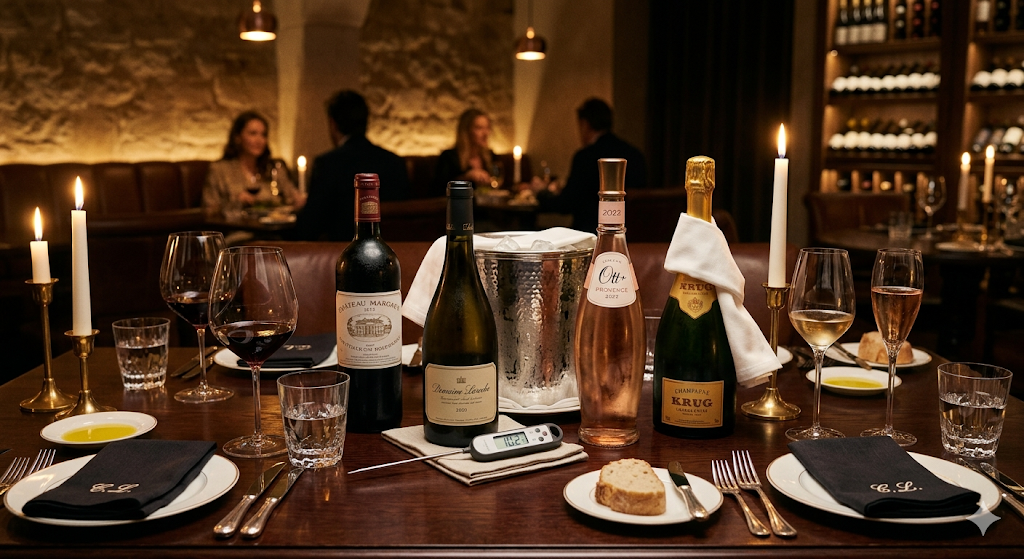
Wine lovers often focus on grape varieties, aging, regions, and food pairings, but one of the most overlooked factors affecting wine quality is serving temperature. Even an expensive bottle can taste disappointing if served too warm or too cold. In contrast, serving wine at the ideal temperature can dramatically enhance aromas, flavors, texture, and overall drinking experience.
In 2026, wine enthusiasts are becoming increasingly aware that proper serving temperature is essential for appreciating the complexity of wine. Whether you enjoy bold red wines, crisp whites, refreshing rosés, sparkling wines, or dessert wines, temperature plays a critical role in how the wine tastes and smells.
Serving wine correctly helps balance acidity, tannins, sweetness, alcohol, and aroma compounds. A chilled white wine can feel crisp and refreshing, while a slightly cool red wine often tastes smoother and more balanced than one served at room temperature.
This comprehensive guide explores everything you need to know about wine serving temperatures, including ideal temperature ranges for different wine styles, storage tips, chilling methods, common mistakes, wine tools, and expert recommendations for serving wine perfectly every time.
Why Wine Serving Temperature Matters
Wine is a delicate beverage influenced by chemistry and sensory perception. Temperature directly affects how wine aromas and flavors are experienced.
What Happens When Wine Is Too Warm?
Overly warm wine may:
- Taste overly alcoholic
- Lose freshness
- Feel heavy
- Become unbalanced
- Lose subtle aromas
What Happens When Wine Is Too Cold?
Over-chilled wine may:
- Suppress aromas
- Reduce flavor complexity
- Increase bitterness
- Mute fruit characteristics
- Make tannins feel harsh
Serving wine at the correct temperature allows its intended character to shine.
Understanding Wine Temperature Basics
Different wine styles require different temperatures because of their structure and composition.
Factors That Influence Ideal Temperature
Acidity
High-acid wines usually taste better slightly cooler.
Tannins
Tannic red wines become smoother when served slightly below room temperature.
Alcohol Content
Higher alcohol wines may taste overly hot if too warm.
Sweetness
Sweet wines generally benefit from colder serving temperatures.
Sparkling Texture
Sparkling wines need colder temperatures to maintain bubbles and freshness.
Ideal Wine Serving Temperature Chart
Here is a quick overview of recommended serving temperatures:
| Wine Type | Ideal Temperature |
|---|---|
| Sparkling Wine | 40–45°F (4–7°C) |
| Light White Wine | 45–50°F (7–10°C) |
| Full-Bodied White Wine | 50–55°F (10–13°C) |
| Rosé Wine | 45–50°F (7–10°C) |
| Light Red Wine | 55–60°F (13–16°C) |
| Full-Bodied Red Wine | 60–65°F (16–18°C) |
| Dessert Wine | 43–50°F (6–10°C) |
Best Temperature for Red Wine
One of the biggest misconceptions in wine culture is the idea that red wine should always be served at “room temperature.”
Historically, room temperature referred to cooler European rooms, not modern heated homes.
Light-Bodied Red Wines
Examples include:
- Pinot Noir
- Gamay
Ideal Temperature
55–60°F (13–16°C)
Why Slightly Cooler Works Better
Cooler temperatures preserve:
- Fruit freshness
- Acidity
- Delicate aromas
Light reds become more refreshing and balanced.
Full-Bodied Red Wines
Examples include:
- Cabernet Sauvignon
- Syrah
- Malbec
Ideal Temperature
60–65°F (16–18°C)
Why Temperature Matters
Serving full-bodied reds too warm can make alcohol dominate the flavor.
Slightly cooler temperatures help balance:
- Tannins
- Alcohol
- Fruit structure
Best Temperature for White Wine
White wines are usually served chilled, but excessive chilling can hide aromas and flavor complexity.
Light White Wines
Examples include:
- Sauvignon Blanc
- Pinot Grigio
Ideal Temperature
45–50°F (7–10°C)
Benefits of Proper Chilling
Enhances:
- Crispness
- Citrus notes
- Fresh acidity
Full-Bodied White Wines
Examples include:
- Chardonnay
- Viognier
Ideal Temperature
50–55°F (10–13°C)
Why Slightly Warmer Works
Full-bodied whites contain more texture and complexity that can disappear if over-chilled.
Best Temperature for Rosé Wine
Rosé wines are known for freshness and versatility.
Ideal Temperature
45–50°F (7–10°C)
Why Proper Cooling Matters
Rosé should feel:
- Crisp
- Fruity
- Refreshing
Overly cold rosé can lose floral and berry aromas.
Best Temperature for Sparkling Wine
Sparkling wines require colder temperatures than still wines.
Examples include:
- Champagne
- Prosecco
Ideal Temperature
40–45°F (4–7°C)
Why Colder Temperatures Matter
Cold temperatures help:
- Preserve carbonation
- Maintain freshness
- Control foam during pouring
Best Temperature for Dessert Wine
Dessert wines taste best chilled.
Examples include:
- Sauternes
- Port Wine
Ideal Temperature
43–50°F (6–10°C)
Why Chilling Helps
Cool temperatures balance sweetness and improve freshness.
How to Chill Wine Properly
Refrigerator Method
White and Rosé Wines
Place in the refrigerator for:
- 2–3 hours before serving
Red Wines
Lightly chill for:
- 15–30 minutes
Ice Bucket Method
An ice bucket cools wine quickly and evenly.
Best Technique
Use:
- Ice
- Water
- Small amount of salt
This chills wine faster than ice alone.
Freezer Method
Useful for quick chilling but requires attention.
Approximate Times
- Sparkling wine: 15–20 minutes
- White wine: 20–30 minutes
- Red wine: 10–15 minutes
Never forget wine in the freezer.
Common Wine Temperature Mistakes
Serving Red Wine Too Warm
This is one of the most common mistakes.
Warm red wine may taste:
- Jammy
- Flat
- Overly alcoholic
Over-Chilling White Wine
Extremely cold white wine loses aroma and flavor complexity.
Ignoring Room Temperature
Outdoor weather and heated indoor spaces affect wine quickly.
Using Incorrect Glassware
Large glasses warm wine faster due to hand contact.
Wine Serving Temperatures by Occasion
Summer Wine Serving
During hot weather:
- Serve reds slightly cooler
- Keep whites well chilled
- Use wine coolers outdoors
Winter Wine Serving
Indoor heating may warm wine too quickly.
Keep bottles away from:
- Fireplaces
- Direct heat
- Sunny windows
Outdoor Wine Parties
Use:
- Insulated coolers
- Ice buckets
- Shade protection
Outdoor temperatures affect wine rapidly.
Why Wine Changes in the Glass
Wine temperature changes continuously after pouring.
Red Wine
Warms gradually, releasing more aroma compounds.
White Wine
Warms quickly and may lose crispness.
Sparkling Wine
Loses bubbles faster if too warm.
Wine Storage vs Serving Temperature
Storage temperature differs from serving temperature.
Ideal Wine Storage Temperature
Around:
55°F (13°C)
Why Stable Storage Matters
Fluctuating temperatures can damage wine quality over time.
How Restaurants Handle Wine Temperature
Professional restaurants often use:
- Wine refrigerators
- Cellars
- Temperature-controlled storage systems
Fine dining establishments carefully manage wine temperatures to optimize flavor.
Wine Refrigerators and Coolers
Wine coolers are increasingly popular among enthusiasts.
Benefits
- Consistent temperature
- Better wine preservation
- Separate zones for red and white wine
Dual-Zone Coolers
Allow different wines to be stored at ideal serving temperatures simultaneously.
Best Wine Thermometers in 2026
Wine thermometers help ensure precise serving temperatures.
Popular Types
- Digital thermometers
- Infrared thermometers
- Bottle collar thermometers
These tools are especially useful for collectors and serious wine enthusiasts.
Why Temperature Impacts Aroma
Wine aromas are volatile compounds influenced by temperature.
Warm Temperatures
Release aromas faster but may overwhelm balance.
Cool Temperatures
Preserve freshness but can hide subtle complexity.
The right temperature creates harmony between aroma and flavor.
Wine Temperature and Food Pairing
Temperature also affects how wine pairs with food.
Cooler Wines Pair Well With
- Seafood
- Salads
- Light dishes
Slightly Warmer Reds Pair Well With
- Steak
- BBQ
- Rich pasta dishes
Best Wine Temperatures for Beginners
New wine drinkers often enjoy:
- Slightly chilled reds
- Crisp whites
- Cold sparkling wines
These temperatures create approachable and refreshing experiences.
How Sommeliers Serve Wine
Professional sommeliers carefully monitor temperature throughout service.
Common Sommelier Practices
- Decanting red wine
- Using ice buckets
- Rotating bottles
- Monitoring room conditions
Temperature management is a major part of fine wine service.
Does Expensive Wine Require Different Temperatures?
High-end wines are often more sensitive to serving temperature because of:
- Complex aromas
- Aging structure
- Delicate balance
Premium wines benefit greatly from proper serving conditions.
The Science Behind Wine Perception
Human taste perception changes with temperature.
Cold Temperatures Emphasize
- Acidity
- Freshness
- Crispness
Warm Temperatures Emphasize
- Sweetness
- Alcohol
- Body
Understanding this balance improves wine appreciation.
Best Wine Temperature Tips for Home Entertaining
Chill Early
Avoid last-minute cooling whenever possible.
Use Proper Glasses
Thin crystal glasses maintain temperature better.
Serve Small Pours
Smaller pours help maintain proper temperature longer.
Keep Backup Bottles Ready
Especially during parties or outdoor events.
Wine Trends in 2026
Wine service trends continue evolving.
Popular Trends
- Smart wine refrigerators
- AI wine recommendations
- Sustainable wine storage
- Home wine tasting experiences
Consumers are becoming more educated about wine quality and serving techniques.
Wine Temperature Myths
Myth: Red Wine Must Be Warm
Most reds taste better slightly cool.
Myth: Ice Ruins Wine
Ice buckets are standard professional practice.
Myth: All White Wines Should Be Ice Cold
Over-chilling reduces complexity.
Myth: Sparkling Wine Can Be Served Warm
Warm sparkling wine loses freshness and carbonation quickly.
Best Wine Accessories for Temperature Control
Useful tools include:
- Wine coolers
- Ice sleeves
- Digital thermometers
- Decanters
- Insulated wine bags
These accessories improve serving consistency.
How Climate Influences Wine Preferences
Warmer regions often prefer:
- Chilled wines
- Rosé
- Sparkling wines
Cooler climates may favor:
- Full-bodied reds
- Richer wines
Serving temperature preferences can vary globally.
The Future of Wine Service
Technology is transforming wine experiences.
Future innovations may include:
- AI-controlled wine storage
- Smart temperature monitoring
- Automated wine dispensers
- Personalized wine serving systems
Wine appreciation is becoming increasingly precise and experience-focused.
Conclusion
Serving wine at the correct temperature is one of the simplest yet most powerful ways to improve wine enjoyment. Whether drinking Cabernet Sauvignon, Sauvignon Blanc, Champagne, or Pinot Noir, proper temperature allows the wine’s aromas, flavors, texture, and balance to fully develop.
Understanding ideal serving temperatures helps wine lovers avoid common mistakes while enhancing every glass. In 2026, as wine culture becomes more sophisticated and accessible, proper wine service continues playing a crucial role in creating memorable dining and tasting experiences.
Whether hosting dinner parties, attending wine tastings, enjoying outdoor gatherings, or relaxing at home, mastering wine temperature basics can elevate wine appreciation to an entirely new level.