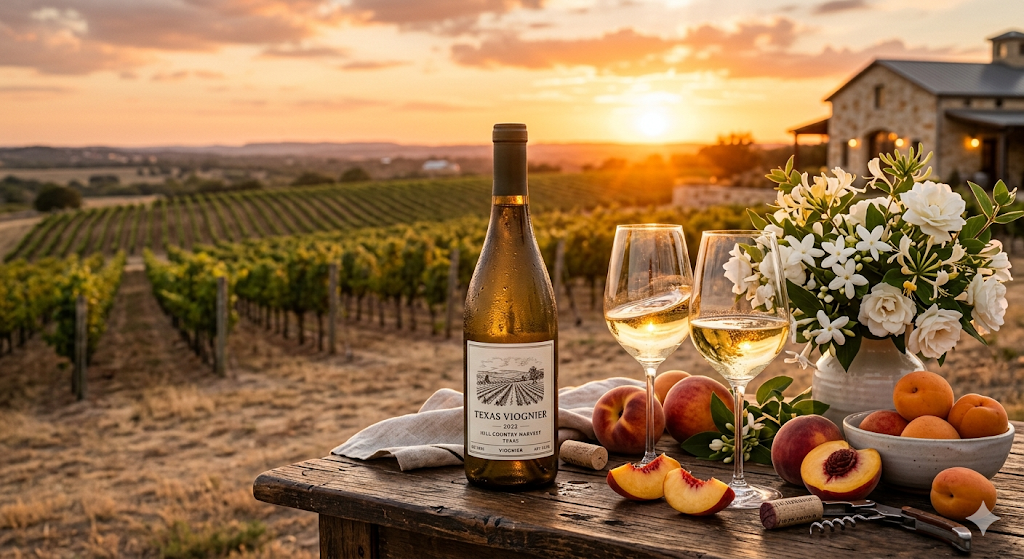
When people think about wine regions in the United States, California often dominates the conversation. But over the past decade, Texas has quietly transformed into one of America’s most exciting wine destinations. Among the many grape varieties flourishing across the Lone Star State, one white wine stands out as a true Texas success story: Viognier.
Known for its lush texture, floral aromatics, stone-fruit flavors, and ability to thrive in hot climates, Viognier has become one of the signature white wines of Texas. In a region where scorching summers, dry conditions, and intense sunlight challenge many grape varieties, Viognier has proven remarkably resilient.
Today, Texas winemakers are producing Viognier wines that rival respected bottles from around the world. Wine lovers are increasingly discovering that this aromatic white grape is perfectly suited for Texas terroir, especially in regions like the Texas High Plains and the Texas Hill Country.
This guide explores everything you need to know about Viognier in Texas — its history, flavor profile, why it performs so well in extreme heat, food pairings, growing regions, winemaking styles, and why it is becoming one of the most important white wines in American viticulture.
What Is Viognier?
Viognier is a white wine grape originally from the Rhône Valley in France. For centuries, it was primarily associated with prestigious French wines from regions such as Condrieu and Château-Grillet.
Unlike crisp and acidic white wines like Sauvignon Blanc or Pinot Grigio, Viognier is known for being:
- Rich
- Aromatic
- Full-bodied
- Smooth
- Floral
- Fruit-forward
Viognier typically delivers aromas and flavors of:
- Peach
- Apricot
- Honeysuckle
- Orange blossom
- Pear
- Tropical fruit
- Citrus zest
Its naturally lush texture and exotic aroma profile make it incredibly appealing to wine drinkers seeking something more expressive than standard white wines.
Why Viognier Thrives in Texas
Texas is famous for its intense summer heat, dry climate, and dramatic weather patterns. These conditions can make grape growing challenging, especially for delicate white varieties.
However, Viognier has several characteristics that make it uniquely suited for Texas vineyards.
1. Heat Tolerance
Viognier performs exceptionally well in warm climates.
Unlike some white grapes that lose acidity or become overly neutral in high temperatures, Viognier maintains:
- Flavor concentration
- Aromatic complexity
- Balanced ripeness
Texas summers regularly reach extreme temperatures, especially in the Texas High Plains. Viognier can withstand these conditions better than many other white grape varieties.
This resilience has helped it become one of Texas’ flagship white wines.
2. Drought Resistance
Water availability is a major concern in many Texas wine regions.
Viognier vines are relatively drought-tolerant once established. Their ability to adapt to dry conditions makes them attractive to Texas growers seeking sustainable vineyard practices.
This characteristic is especially important as climate change continues impacting agricultural regions worldwide.
3. Thick Skins Protect the Grapes
Texas weather can be unpredictable, with intense sun exposure and occasional storms.
Viognier grapes have relatively thick skins, which help:
- Protect against sunburn
- Reduce disease pressure
- Preserve flavor integrity
This durability contributes to consistent fruit quality even during difficult growing seasons.
The Rise of Texas Wine Culture
Texas wine has experienced explosive growth over the past two decades.
Today, Texas is one of the top wine-producing states in America, with hundreds of wineries spread across diverse growing regions.
Major Texas wine regions include:
Texas Hill Country
Known for:
- Scenic wineries
- Wine tourism
- Mediterranean-style climate
- Boutique producers
Texas High Plains
Known for:
- High elevation vineyards
- Cooler nights
- Excellent grape-growing conditions
- Premium fruit quality
Texas Davis Mountains
Known for:
- Mountain vineyards
- Unique terroir
- Emerging wine experimentation
Texas winemakers increasingly focus on grape varieties suited to warm climates rather than trying to imitate California.
Viognier fits naturally into this philosophy.
What Makes Texas Viognier Different?
Texas Viognier has developed its own identity.
Compared to French Viognier, Texas versions often showcase:
- Riper fruit flavors
- More tropical notes
- Fuller texture
- Brighter sunshine-driven aromas
Common tasting notes include:
- Peach nectar
- Mango
- Apricot jam
- Orange blossom
- Honey
- Pineapple
- Tangerine
Despite the richness, many Texas producers maintain freshness through careful vineyard management and earlier harvesting techniques.
The Flavor Profile of Viognier
Viognier is often described as one of the most aromatic white wines in the world.
Aromas
Typical aromas include:
- Honeysuckle
- Jasmine
- Orange blossom
- Lavender
- Peach
- Apricot
The floral intensity is one of Viognier’s defining characteristics.
Taste
On the palate, Viognier is:
- Smooth
- Creamy
- Rich
- Fruity
- Medium to full-bodied
Unlike lean white wines, Viognier feels luxurious and textured.
Acidity
Viognier usually has moderate acidity rather than sharp acidity.
This gives it a softer and more approachable style compared to:
- Sauvignon Blanc
- Pinot Grigio
- Riesling
Alcohol Content
Because Viognier ripens easily in warm climates, it often reaches higher alcohol levels.
Texas Viogniers commonly range between:
- 13.5% to 14.5% alcohol
Yet balanced examples remain elegant rather than heavy.
Best Texas Regions for Viognier
Texas High Plains
This is arguably the most important growing region for Texas Viognier.
Benefits include:
- High elevation
- Cooler nighttime temperatures
- Long growing season
- Dry conditions
These factors help preserve freshness while allowing full ripening.
Many award-winning Texas Viogniers source fruit from this area.
Texas Hill Country
The Hill Country has become a major wine tourism destination.
Viognier grows successfully here because of:
- Warm climate
- Limestone-rich soils
- Strong sunlight exposure
Wineries in this region often create:
- Fruity Viognier
- Barrel-aged Viognier
- Rhône-style blends
Barrel-Aged vs Stainless Steel Viognier
Texas winemakers experiment with multiple production styles.
Stainless Steel Viognier
Characteristics:
- Fresh
- Fruity
- Floral
- Crisp
These wines emphasize pure fruit expression.
Best for:
- Summer drinking
- Seafood
- Outdoor entertaining
Barrel-Aged Viognier
Characteristics:
- Creamy texture
- Vanilla notes
- Toasted flavors
- Rich mouthfeel
Oak aging adds complexity and structure.
Best for:
- Roasted chicken
- Creamy pasta
- Rich cheeses
Viognier Food Pairings
Viognier is one of the most versatile food wines.
Its aromatic intensity and rich texture allow it to pair with dishes that overpower lighter white wines.
Seafood Pairings
Excellent matches include:
- Grilled shrimp
- Lobster
- Crab cakes
- Seared scallops
The wine’s fruitiness complements sweet seafood flavors beautifully.
Spicy Foods
Viognier pairs surprisingly well with spice.
Great options include:
- Thai curry
- Indian cuisine
- Spicy grilled chicken
- Tex-Mex dishes
Its lush texture softens heat effectively.
Southern and Texas Cuisine
Texas Viognier works wonderfully with regional foods.
Perfect pairings:
- Smoked chicken
- BBQ pork
- Jalapeño cornbread
- Peach-glazed ribs
This local compatibility helps explain the grape’s growing popularity in Texas dining culture.
Cheese Pairings
Viognier pairs beautifully with:
- Brie
- Camembert
- Goat cheese
- Gruyère
Creamy cheeses especially complement the wine’s texture.
Why Sommeliers Love Viognier
Wine professionals appreciate Viognier because it offers:
- Distinctive aromatics
- Food versatility
- Rich texture
- Unique personality
For sommeliers, it provides an alternative to more common white wines.
Many restaurants now feature Viognier as a premium by-the-glass option because it appeals to:
- Chardonnay lovers
- Aromatic wine enthusiasts
- Curious wine drinkers
Viognier vs Chardonnay
Many wine drinkers compare Viognier to Chardonnay.
However, the two are quite different.
| Viognier | Chardonnay |
|---|---|
| Floral aromas | Neutral aromas |
| Stone fruit flavors | Apple and citrus flavors |
| Naturally aromatic | Often oak-driven |
| Softer acidity | Higher acidity |
| Exotic profile | Classic profile |
People who find Chardonnay too buttery sometimes prefer Viognier.
Others enjoy Viognier because it feels luxurious without needing heavy oak influence.
Viognier and Climate Change
As temperatures rise globally, many traditional wine regions face challenges.
Heat-tolerant grape varieties like Viognier are becoming increasingly important for the future of winemaking.
Texas serves as a strong example of how warm-climate viticulture can succeed with the right grape selections.
Viognier’s success suggests it may become even more significant worldwide in coming decades.
The Texas Wine Tourism Boom
Texas wine tourism is expanding rapidly.
Many visitors now travel to:
- Vineyard resorts
- Wine trails
- Tasting rooms
- Food and wine festivals
Viognier often becomes a standout discovery for tourists exploring Texas wines for the first time.
Popular wine experiences include:
- Viognier tastings
- Vineyard tours
- Food pairing dinners
- Barrel sampling events
Wine tourism contributes billions to Texas’ economy annually.
How to Serve Viognier Properly
Serving temperature matters greatly.
Ideal serving range:
- 50–55°F (10–13°C)
Too cold:
- Hides aromas
Too warm:
- Makes alcohol feel heavy
Use medium-sized white wine glasses to capture Viognier’s floral bouquet.
Should Viognier Be Aged?
Most Viognier is designed for relatively early drinking.
Ideal consumption:
- Within 2–5 years of release
However, premium barrel-aged examples can evolve beautifully over time.
Aged Viognier may develop:
- Honey notes
- Nutty complexity
- Deeper texture
Texas Winemakers Leading the Viognier Movement
Many Texas wineries now produce exceptional Viognier wines.
Winemakers increasingly focus on:
- Sustainable farming
- Minimal intervention
- Rhône-inspired techniques
- Terroir-driven styles
This movement continues elevating Texas wine’s international reputation.
Viognier Cocktails and Modern Trends
Wine cocktails are trending strongly in 2026.
Viognier’s aromatic profile works well in:
- White wine spritzers
- Peach wine cocktails
- Citrus sangria
- Summer punches
Its fruity and floral character adapts beautifully to modern mixology trends.
Why Viognier Appeals to Younger Wine Drinkers
Younger consumers increasingly seek wines that are:
- Approachable
- Aromatic
- Food-friendly
- Social-media-worthy
Viognier’s vibrant aromas and golden color make it visually and aromatically appealing.
It also fits modern preferences for:
- Outdoor dining
- Brunch culture
- Picnic wines
- Summer entertaining
Common Misconceptions About Viognier
“Viognier Is Sweet”
Most Viognier wines are actually dry.
The ripe fruit flavors can create an illusion of sweetness, but the wines usually contain very little residual sugar.
“White Wine Can’t Handle Bold Food”
Viognier proves otherwise.
Its body and richness allow it to pair with:
- Spicy foods
- Smoky dishes
- Cream sauces
- Grilled meats
“Texas Can’t Produce Great Wine”
Texas wine quality has improved dramatically.
Viognier is one of the clearest examples of how Texas terroir can produce world-class wines suited to its climate.
The Future of Texas Viognier
The future looks extremely promising.
As Texas wine continues gaining recognition, Viognier will likely remain one of the state’s signature grapes.
Future trends may include:
- More single-vineyard bottlings
- Organic Viognier production
- Sparkling Viognier experiments
- Luxury reserve releases
Texas winemakers are increasingly confident in crafting wines that express regional identity rather than imitating other wine regions.
Viognier sits at the center of that evolution.
Final Thoughts
Viognier has found a natural home in Texas. Its ability to thrive in extreme heat, maintain expressive aromatics, and pair beautifully with bold cuisine makes it one of the most exciting white wines in the American wine scene today.
From the Texas High Plains to the Hill Country, winemakers are proving that Texas can produce exceptional white wines with distinctive character and global appeal.
For wine lovers seeking something richer than Sauvignon Blanc but more aromatic than Chardonnay, Texas Viognier offers an unforgettable experience. Floral, lush, textured, and sun-soaked, it captures both the intensity of the Texas climate and the innovation of its rapidly growing wine industry.
As more consumers discover the beauty of Viognier, this once-overlooked grape is quickly becoming one of the defining wines of modern Texas viticulture.