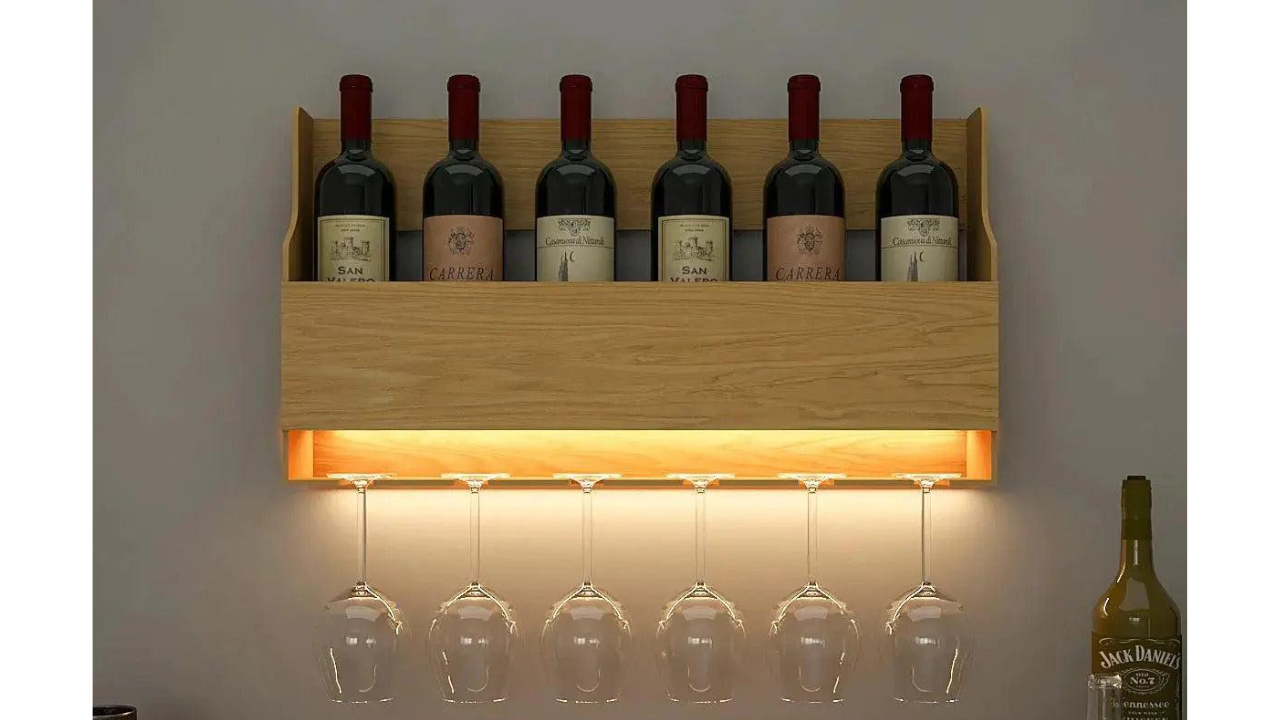
You do not need a luxurious underground wine cellar to store wine properly. While professional collectors may invest thousands into climate-controlled wine rooms, most wine lovers simply want their bottles to stay fresh, flavorful, and ready to enjoy at home.
The good news is that with the right storage habits, you can successfully protect your wine in apartments, condos, small homes, dorm-style spaces, and even compact kitchens. Understanding a few essential principles — temperature, humidity, light exposure, vibration, and bottle position — can dramatically extend the life and quality of your wine collection.
Whether you keep a few bottles for weekend dinners or are building a growing collection of reds, whites, rosés, and sparkling wines, this guide explains exactly how to store wine at home without a cellar.
Why Proper Wine Storage Matters
Wine is a living product that continues to evolve inside the bottle. Poor storage conditions can permanently damage flavor, aroma, color, and texture.
Improperly stored wine may develop:
- Flat or dull flavors
- Vinegar-like acidity
- Oxidation
- Cork shrinkage
- Premature aging
- “Cooked” fruit flavors
- Loss of aroma complexity
Even expensive wines can become undrinkable if stored incorrectly for long periods.
The 5 Most Important Wine Storage Factors
1. Temperature
Temperature is the single most important factor in wine storage.
Wine ages best in stable, cool conditions. Extreme heat speeds up aging and can ruin wine permanently.
Ideal Wine Storage Temperature
55^\circ F \approx 13^\circ C
Most experts recommend storing wine around 55°F (13°C).
Acceptable Range:
- 45–65°F (7–18°C)
The biggest danger is not slightly warm temperatures — it is temperature fluctuation.
Why Temperature Fluctuation Is Dangerous
Constant changes between hot and cold cause:
- Cork expansion and contraction
- Oxygen leakage
- Premature oxidation
For example:
- A kitchen cabinet near an oven is risky
- A garage with summer heat swings is dangerous
- Sun-facing shelves can overheat quickly
Consistency matters more than perfection.
2. Humidity
Humidity helps protect the cork.
Ideal Humidity Range
50% \text{ to } 70% \text{ relative humidity}
If the air is too dry:
- Corks shrink
- Air enters the bottle
- Wine oxidizes
If humidity is too high:
- Labels may mold
- Packaging deteriorates
Most homes naturally fall into an acceptable range, so humidity is usually less critical than temperature.
3. Light Exposure
Wine hates direct light, especially UV rays.
Sunlight can:
- Break down wine compounds
- Create unpleasant aromas
- Age wine prematurely
This is why many bottles use dark glass.
Best Practice:
Store wine in:
- Dark cabinets
- Closets
- Covered racks
- Low-light rooms
Avoid:
- Window shelves
- Bright kitchens
- Balcony storage
4. Vibration
Wine should rest quietly.
Constant vibration disturbs sediment and may interfere with the aging process.
Avoid Storing Wine:
- On top of refrigerators
- Near washing machines
- Beside speakers
- Near gym equipment
Small vibrations over time can affect delicate wines.
5. Bottle Position
Should Wine Bottles Be Stored Horizontally?
Usually yes — especially cork-sealed bottles.
Horizontal storage:
- Keeps cork moist
- Prevents air leak
- Saves space
However:
- Screw-cap wines can stand upright
- Sparkling wine storage is flexible
Best Places to Store Wine in a Small Home or Apartment
You do not need a basement cellar. Many ordinary spaces work surprisingly well.
1. Interior Closet
Closets are one of the best budget wine storage solutions.
Why Closets Work:
- Dark
- Stable temperature
- Low vibration
- Hidden from sunlight
A hallway or bedroom closet is often ideal.
2. Under the Bed Storage
For apartment living, under-bed wine storage is practical and space-saving.
Use:
- Flat wine boxes
- Low-profile racks
- Stackable organizers
Avoid placing wine near heating vents.
3. Dedicated Wine Cabinet
A wine cabinet protects bottles from:
- HeatLight
- Vibration
Many stylish furniture-style wine cabinets blend into living room décor.
4. Wine Refrigerator
A wine fridge is one of the best investments for frequent wine drinkers.
Benefits:
- Stable temperature
- UV protection
- Compact sizing
- Dual-zone options
Great for:
- Apartments
- Collectors
- Warm climates
Single-Zone vs Dual-Zone Wine Fridges
Single-Zone
One consistent temperature.
Best for:
- Mostly red wine collections
- Long-term storage
Dual-Zone
Two temperature sections.
Best for:
- Mixed wine collections
- Serving wines immediately
Typical setup:
- Upper zone for whites
- Lower zone for reds
Where NOT to Store Wine
1. Kitchen
The kitchen is usually too warm and unstable.
Problems include:
- Oven heat
- Refrigerator vibration
- Temperature swings
2. Garage
Garages often experience:
- Summer overheating
- Winter freezing
- Humidity fluctuations
Wine can spoil quickly here.
3. Refrigerator (Long-Term)
Regular kitchen refrigerators are:
- Too cold
- Too dry
- Vibration-heavy
Short-term chilling is fine, but not long-term storage.
4. Near Windows
Direct sunlight rapidly damages wine.
Even indirect UV exposure over time can age bottles prematurely.
How Long Can Wine Last at Home?
Storage lifespan depends on the wine type and quality.
Typical Wine Lifespans
| Wine Type | Average Storage Potential |
|---|---|
| Budget White Wine | 1–3 years |
| Premium Chardonnay | 5–10 years |
| Rosé | 1–2 years |
| Bold Red Wine | 5–15 years |
| Fine Bordeaux | 20+ years |
| Champagne | 3–10 years |
Most everyday wines are meant to be enjoyed relatively young.
Short-Term vs Long-Term Storage
Short-Term Storage (Weeks to Months)
You mainly need:
- Cool temperature
- Darkness
- Minimal vibration
A closet or cabinet is usually enough.
Long-Term Storage (Years)
You need:
- Consistent temperature
- Controlled humidity
- Proper racks
- Protection from seasonal changes
Wine fridges become more valuable here.
Budget-Friendly Wine Storage Ideas
Not everyone wants to spend heavily on wine equipment.
Affordable Options
Stackable Crates
Wooden or plastic wine crates work well.
Cube Shelving
Bookshelf cube organizers can hold bottles horizontally.
DIY Closet Rack
Simple wooden racks fit neatly inside closets.
Repurposed Furniture
Old cabinets or sideboards can become elegant wine stations.
How to Organize Your Wine Collection
Organize By:
- Wine type
- Country
- Vintage
- Occasion
- Drinking window
Use labels or apps to track inventory.
Wine Storage Tips for Beginners
Buy Wine to Drink, Not Just Age
Most wines sold today are designed for near-term enjoyment.
You do not need decades of storage planning for every bottle.
Keep an Inventory
It is easy to forget what you own.
Apps or spreadsheets help track:
- Purchase date
- Price
- Drink-by window
Rotate Older Bottles Forward
Drink older wines first to avoid missing their peak.
Signs Wine Was Stored Improperly
Watch for:
- Cork pushed upward
- Leaking wine
- Brown color changes
- Flat aroma
- Vinegar smell
- Cloudiness
Heat-damaged wine often tastes jammy or cooked.
Best Wine Storage Setup for Different Living Situations
Studio Apartment
Best solutions:
- Small wine fridge
- Closet rack
- Under-bed storage
Family Home
Best solutions:
- Basement corner
- Wine cabinet
- Pantry storage
Budget Collector
Best solutions:
- Dark closet
- Stackable racks
- Temperature monitor
Is Expensive Wine Storage Necessary?
Not for most people.
If you buy wines intended for:
- Immediate drinking
- Casual dinners
- Weekend gatherings
then simple, cool, dark storage is usually enough.
Advanced climate-controlled storage becomes more important for:
- Rare wines
- Long-term aging
- Large collections
Final Thoughts
Proper wine storage is less about luxury and more about consistency. Even without a professional cellar, you can protect your wine beautifully by controlling five key factors:
- Temperature
- Humidity
- Light
- Vibration
- Bottle position
A dark closet, compact wine fridge, or simple storage rack can preserve wine quality surprisingly well for years.
The best wine storage setup is the one that matches your living space, budget, and drinking habits. Whether you are storing a few affordable bottles for weekend dinners or building a serious collection, smart storage ensures every bottle tastes exactly the way the winemaker intended.