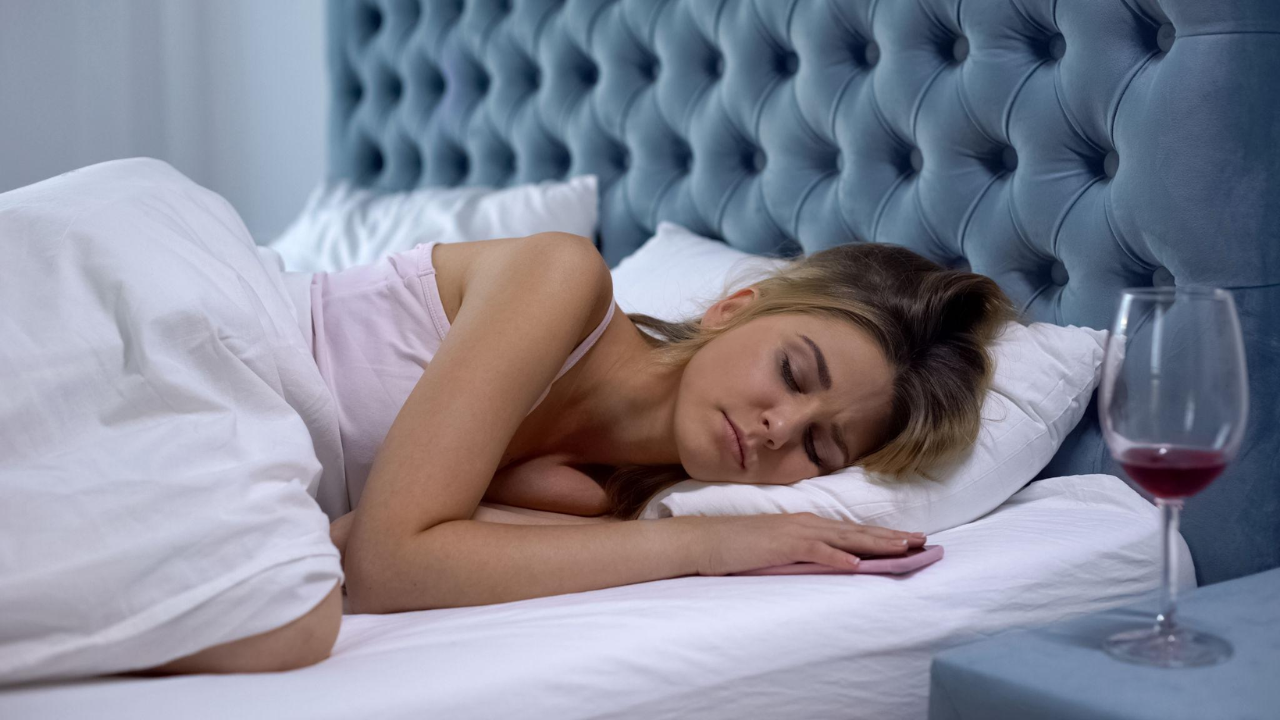
For centuries, people have poured a glass of wine at the end of a long day believing it helps them relax and sleep better. A warm evening, dim lighting, and a smooth red wine can certainly feel calming. But does wine actually improve sleep quality — or does it secretly make your rest worse?
The relationship between alcohol and sleep is more complicated than many people realize. While wine may help some people fall asleep faster, research shows it can also disrupt deeper sleep cycles later in the night.
Here’s the science behind wine and sleep, including how alcohol affects the brain, the role of melatonin, why a “nightcap” may backfire, and what moderate evening wine consumption really does to your body.
Why Wine Feels Relaxing Before Bed
Wine contains alcohol, which acts as a depressant on the central nervous system. This slows brain activity and can create feelings of relaxation and drowsiness.
After drinking wine, many people experience:
- Reduced stress
- Muscle relaxation
- Sleepiness
- Faster sleep onset
This is why wine is often associated with bedtime routines or “nightcaps.”
However, falling asleep faster does not necessarily mean sleeping better.
The Science of Alcohol and Sleep Cycles
Sleep occurs in cycles throughout the night, including:
- Light sleep
- Deep sleep
- REM (Rapid Eye Movement) sleep
REM sleep is especially important because it supports:
- Memory
- Emotional processing
- Brain recovery
- Learning and focus
Alcohol can interfere with these natural sleep stages.
What Happens After Drinking Wine
During the first half of the night, alcohol’s sedative effects may help you fall asleep quickly. But as your body metabolizes alcohol, sleep quality often worsens.
Common Effects Include:
- Frequent waking during the night
- Restless sleep
- Reduced REM sleep
- Increased snoring
- Night sweats
- Early morning wake-ups
Many people mistakenly think wine helped them sleep simply because they fell asleep quickly, even though the overall sleep quality declined.
Does Red Wine Contain Melatonin?
One reason people connect wine with sleep is because certain wines — especially red wines — contain small amounts of melatonin.
Melatonin is the hormone that helps regulate the body’s sleep-wake cycle.
Wines That May Contain More Melatonin
Some studies suggest melatonin levels may be slightly higher in:
- Pinot Noir
- Merlot
- Cabernet Sauvignon
However, the amount of melatonin in wine is extremely small compared to natural melatonin supplements or what your body naturally produces.
So while wine may contain traces of melatonin, alcohol’s disruptive effects on sleep generally outweigh any small potential benefit.
Why a Nightcap Can Backfire
The idea of a nightly glass of wine before bed sounds comforting, but regular nighttime drinking may create long-term sleep problems.
1. Interrupted Deep Sleep
Alcohol reduces restorative sleep quality later in the night.
2. Increased Bathroom Trips
Wine can increase urination, causing sleep interruptions.
3. Dehydration
Alcohol contributes to dehydration, leading to dry mouth, headaches, and poor sleep recovery.
4. Increased Heart Rate
As alcohol leaves the body, the nervous system may become more active, causing restlessness.
5. Dependence on Alcohol for Sleep
Over time, some people psychologically rely on alcohol to fall asleep.
Does Moderate Wine Consumption Affect Sleep Differently?
Moderation matters significantly.
A small amount of wine earlier in the evening may have a much smaller effect on sleep than heavy drinking close to bedtime.
Moderate Drinking Usually Means:
- 1 glass per day for women
- Up to 2 glasses per day for men
People who drink moderately and avoid alcohol right before bed may experience fewer sleep disruptions.
Timing Matters
Experts often recommend stopping alcohol consumption at least 2–3 hours before sleep.
This gives the body more time to metabolize alcohol before entering deeper sleep cycles.
Which Wines Are Less Disruptive Before Bed?
No wine truly “improves” sleep scientifically, but lighter and lower-alcohol wines may feel less disruptive for some people.
Potentially Gentler Options
Pinot Noir
Light-bodied and lower in alcohol than many bold reds.
Moscato
Lower alcohol content compared to stronger wines.
Rosé
Often lighter and more refreshing.
Wines More Likely to Disrupt Sleep
- High-alcohol reds
- Heavy fortified wines
- Large servings of sparkling wine
- Sugary dessert wines late at night
Tips for Better Sleep if You Drink Wine
Drink Earlier in the Evening
Avoid drinking immediately before bed.
Stay Hydrated
Drink water alongside wine to reduce dehydration.
Limit Quantity
More alcohol almost always means poorer sleep quality.
Avoid Heavy Late-Night Meals
Large meals plus alcohol can increase indigestion and discomfort.
Watch Your Caffeine Intake
Coffee, energy drinks, and alcohol together can confuse the body’s sleep signals.
Wine, Stress, and Relaxation
Even though alcohol can reduce stress temporarily, relying on wine as a sleep aid isn’t ideal long term.
Healthier evening relaxation alternatives include:
- Herbal tea
- Reading
- Meditation
- Gentle stretching
- Reducing screen time
- Relaxing music
These habits support natural melatonin production without disrupting sleep cycles.
Final Thoughts
Wine may help you feel sleepy initially, but science shows it often reduces overall sleep quality later in the night. While a moderate glass of wine can feel relaxing and enjoyable, alcohol disrupts REM sleep, increases nighttime awakenings, and may leave you feeling less rested by morning.
The key is moderation, timing, and awareness of how your body responds. For many people, enjoying wine earlier in the evening — rather than using it as a bedtime sleep aid — is the healthiest balance between relaxation and restorative sleep.